Pest Control Tauranga: In-Home Bed Bug Treatment for Families
Bed bugs have a way of turning a home upside down without making a sound. One week you are doing a normal laundry routine, the next you are checking seams on mattresses with a torch at 11 pm, trying to work out whether the itchy welts on your partner are from a new detergent or something that has followed you home from a motel. For families in and around Tauranga, the stress is rarely just about the bites. It is the fear of bringing it home again, the worry about where the infestation came from, and the constant question, “Will this ever end?”
I have helped households through bed bug treatments across the Bay of Plenty, and the pattern is consistent. When you treat bed bugs as a “spray and hope” problem, you usually end up with a longer, more expensive saga. When you treat them like a household logistics and evidence problem, things move faster and the outcome is steadier.
This is a practical guide to in-home bed bug treatment, aimed at families who want clear decisions, realistic timeframes, and pest control services Bay of Plenty providers can stand behind.
Why bed bugs feel personal in family homes
Bed bugs are not picky about cleanliness. That is a frustrating fact for parents, because no one wants to feel like the problem is their fault. Still, it is common for families to do everything right and end up with an infestation anyway, especially in areas where people travel or share accommodation. Guests, second-hand furniture, moving houses, and overnight stays are all realistic entry points.
Once bed bugs establish themselves, they do what they do best: they hide. In a family home, that means they tuck themselves into the places you do not think about during a quick tidy. They can be in mattress seams, inside headboards, behind skirting boards, within bed frame joints, in laundry baskets placed near bedrooms, even in the folds of soft furnishings that sit close to sleeping areas.
The bites often show up in clusters. Some people react dramatically, others barely at all, and that makes detection harder. I have seen families where one child reacts strongly while the rest show minimal signs. That can slow the response because everyone assumes the same pattern should apply to all.
The real goal: break the breeding cycle, not just kill what you see
A common misunderstanding is that a single treatment “ends” bed bugs. In reality, bed bug control has two phases: hitting the active population and then preventing any eggs from developing into new, biting adults.
Bed bug eggs are the reason follow-up treatments matter. Even when a first visit reduces activity, you can still have hatchlings later if any eggs were missed or if they were in areas that were not treated effectively. That is why good bed bug plans usually include a scheduled second visit, sometimes a third depending on the severity and how spread out the infestation is.
The other part of the job is removing the conditions that let bed bugs stay hidden. You do not need to turn your home into a staged showroom, but you do need targeted access and sensible prep.
What “in-home bed bug treatment” actually involves
When families book in-home pest control Tauranga services, the most important step is not the product used, it is the inspection and the decisions that come from it. A solid inspection looks beyond the obvious mattress surface.
In a typical family bedroom, I would expect to see attention paid to:
- mattress seams and labels
- bed frame joints and bolts
- headboard attachment points
- bedside tables, drawers, and cabinet seams
- skirting board edges near the bed
- cracks and gaps where the bed sits
If the bed is pushed up against a wall, that wall edge is often part of the map. If a couch is used for napping, that fabric seam becomes part of the story too. If the infestation is in more than one bedroom, you adjust the plan immediately, because the timeline changes when bed bugs shift rooms.
In homes across Mount Maunganui and Papamoa, it is also worth factoring in how people live. Many households have open-plan spaces, shared lounge areas, and kids moving between bedrooms. That does not cause bed bugs, but it does change where you find them and how quickly they spread within the home.
For families near Te Puke and Matamata, the “spread” is often influenced by habits like moving laundry baskets, bringing bags from the car into bedrooms, or storing clothing in wardrobes right beside where people sleep. These habits are normal. The job is just to work around them with a practical plan.
The inspection: what we look for, and what you can notice at home
A careful inspection should be grounded in evidence, not fear. Bed bugs leave signs, but those signs can be subtle at first.
If you are trying to understand what you are dealing with before a technician arrives, focus on patterns rather than isolated bites. In family homes, bites often appear after sleep, clustered around skin that is exposed during the night. But remember, bites can also come from other insects or skin irritation. The goal is to connect the human signs to physical signs.
Common physical signs include small dark spots, shed skins, and live bugs tucked into seams and crevices. If you use a torch, take care not to “flick” the area and scatter bed bugs into new hiding spots. A calm, slow look is more useful than an anxious rummage.
Once the inspection is done, the technician should be able to explain the likely hotspots and the treatment approach. If you are left wondering “where are they actually living?” that is a red flag. Treatment without a map tends to become guesswork.
Treatment methods: where success usually comes from
There are different ways pest control services Bay of Plenty providers may use for bed bugs. The best outcomes usually come from a combination approach tailored to the home.
Many treatments rely on applying products to cracks, seams, and harborages, with careful attention to where bed bugs hide. In family homes, this also means thinking about how to keep children and pets safe, what surfaces should and should not be treated, and how long the area should remain undisturbed.
Other strategies, depending on the situation, may include focused removal and cleaning practices, mattress encasements, and follow-up visits timed to the life cycle of bed bugs.
Even if you are not sure which method will be used, you can ask practical questions that reveal competence:
- Will you treat the bed and bed frame thoroughly, not just the mattress surface?
- How will you address likely harborages in nearby furniture?
- What is the follow-up schedule, and why?
- How will you guide us on laundry and moving items during treatment?
You want answers that connect to actual behavior of bed bugs, not generic assurances.
Family prep: what to do before the technician arrives
Prep sounds simple until you are doing it around school schedules, nappy changes, and kids who are curious about anything that looks like equipment. Good preparation reduces stress for everyone and helps the technician access the right areas without cutting corners.
In my experience, the best prep is calm, focused, and time-bound. You do not need to gut the house. You do need to make sure the bed is accessible and the treated areas can be reached safely.
Here is a short prep checklist that tends to work well for families:
- Move clutter away from the bed, especially piles of clothing and items sitting directly beside the mattress
- Pull the bed away from the wall if possible, or at least create enough access to inspect frame and wall edges
- Bag washable items that are close to sleeping areas if advised, and keep them ready for treatment guidance
- Secure pets during treatment timeframes, and follow the technician’s instructions for where occupants should stay
- Prepare a clear path so the technician can inspect and treat seams, joints, and nearby furniture without crawling over obstacles
If that feels like “too much,” break it into short sessions. One parent can handle beds in 20 to 30 minutes, while another handles laundry sorting. Bed bug prep is stressful enough without trying to complete it all in one round of frantic cleaning.
What about mattresses, laundry, and “the big clean”?
Laundry becomes emotional during bed bug control. Everyone wants to wash everything, because washing feels like control. The problem is that uncontrolled washing and moving can also spread bed bugs to clean areas if items are handled incorrectly.
The goal is not to wash the entire house, it is to manage items that are most likely involved: bedding, items used during sleep, and clothing that sits near the bed. A technician may recommend specific steps like hot washing and high heat drying for washable items, but the exact approach depends on the situation and the materials involved.
Mattresses often get handled in one of two ways during control efforts. Some treatments focus on treating the mattress and adjacent harborages while monitoring activity. In other cases, an encasement strategy is used to trap bed bugs and reduce future hiding places. Encasing can be a helpful tool, but it is not magic on its own. It works best as part of a bigger plan.
If you have a second-hand mattress or you bought something used recently, do not hide that fact. A good plan accounts for it, and withholding information only makes inspection less accurate.
A realistic timeline: how long it takes for families to feel relief
People want an end date. Bed bugs can make time feel personal, like the infestation is keeping a schedule of its own. Unfortunately, the timeline depends on the level of spread, how well prep is followed, and whether eggs were present in harborages that are hard to reach.
In many typical household situations, families begin to see reduced activity after the first treatment, but not always immediately. You may still see bites or sightings, especially if the initial phase reduced adults but did not fully stop egg development.
That is why follow-ups matter. If a follow-up visit is scheduled, treat it as part of finishing the job, not as an optional extra. Skipping it is one of the most common reasons households experience a recurrence.
From conversations I have had in Tauranga, Mount Maunganui, and Papamoa, the hardest part is the waiting period. Kids keep sleeping. Work keeps happening. It helps to plan your household life around the treatment schedule, including where children will sleep on treatment days and how laundry is managed afterwards.
Common mistakes I see during bed bug treatment
In family homes, mistakes are usually not careless, they are just understandable under stress. Still, these mistakes can cost time and money.
One mistake is treating only what is visible. Bed bugs are masters of hiding. If you spray the mattress surface quickly but leave the bed frame joints and wall edges untreated, you are treating symptoms, not the system.
Another mistake is moving items without containment. Bags get moved through hallways, folded laundry gets placed on clean surfaces, and clutter gets shuffled. If bed bugs are in the home, you want controlled movement, not random relocation.
A third mistake is rushing to declare victory. Bed bug activity can fluctuate. If you see fewer bites for a week and then activity returns, it does not automatically mean the treatment failed. It often means the life cycle resumed from eggs or missed harborages. That is another reason inspection quality and follow-up timing matter so much.
How pest control Tauranga, Mount Maunganui, and Papamoa services differ in practice
Even when pest control methods are similar, the practical differences show up in the way technicians handle family life and home layout.
Tauranga homes often vary in age and construction type. Older housing can have more cracks, gaps, and harborages around skirting boards and wall junctions. Newer builds can have different hiding spots, like behind built-in cabinetry or within the framework of bed positions that are tight to walls.
Mount Maunganui and Papamoa also bring a lifestyle factor. Many households have a steady flow of visitors, or they spend more time in beach-adjacent communities where people travel in and out for weekends. This can affect where bed bugs are introduced and how they might spread if they arrive via a couch, guest bedroom, or second-hand furniture.
In Te Puke and Matamata, the pace is often more “settled,” but families still travel. The key difference I notice is that some households have more space or storage in bedrooms, and bed bugs can hide in that storage if it sits close to sleeping areas. The solution is similar, but the inspection needs to include those areas. If you only check the bed and ignore nearby storage, the plan can be incomplete.
Safety for kids and pets during in-home treatment
Bed bug treatments should be safe when they are done professionally and used according to instructions. Still, families deserve clarity.
A reputable provider will explain what the product is intended to do, where it is applied, and what areas should remain restricted for a specific time window. They should also address how to keep children and pets safe during treatment and while residues settle, when applicable.
In practice, families often handle safety by keeping kids and pets out of treated rooms during application and following any re-entry guidance provided. If you have a home schedule that requires a child to nap at a certain time, plan those details with the technician. Most issues come from “we didn’t think that through,” not from the treatment itself.
If you have questions about allergies, respiratory sensitivities, or small pets, raise them before the visit. Good pest control services Bay of Plenty providers know that households are not identical, and they can tailor the plan.
What you can expect after the technician leaves
After the treatment, your job is to protect the work that was done. That typically means leaving treated areas alone for the recommended period, following laundry guidance carefully, and keeping clutter to a minimum around sleeping areas.
It is normal to feel tempted to clean everything immediately. Resist the urge to wipe down seams and treated harborages unless the technician specifically tells you to. Bed bug control is about access and contact. If you remove the treated layer too soon, you reduce the effectiveness.
You may notice more activity at first, which can be alarming. In many cases, increased sightings happen as the bed bugs react to disrupted harborages, or as surviving individuals move around. The key is the overall trend over time. A professional should be able to talk through what “normal” looks like after treatment, including what signs to watch for.
When you might need more than one treatment visit
Sometimes one treatment is not enough, and it is not always because the technician did a poor job. Infestations can be widespread, involving multiple rooms, couches, or upholstered seating. Bed bugs can also hide in areas that are difficult to access, like heavily cluttered wardrobes or behind tightly fitted joinery.
If your technician is transparent about why additional visits are recommended, that is a good sign. It means they inspected thoroughly and made a plan based on evidence.
If you are in a home with multiple sleeping areas, a shared family room, or guests staying regularly, the risk of spread is higher. That does not mean the job is impossible, it just means the plan should account for the household reality.
A real-life scenario: a family home where the turnaround finally clicked
I remember a family in Tauranga where the first week felt chaotic. They did a lot of cleaning, washed bedding, and still saw bites return over several nights. They assumed the treatment had failed and were ready to give up.
When the technician came back for the scheduled follow-up, the difference was in the focus. The first visit had targeted the mattress and the obvious bed frame seams, but the inspection map revealed additional harborages near the bedside drawers and the gaps behind a headboard support. Once those areas were addressed properly, activity dropped in a way the family could measure. They still followed the prep guidance, continued sensible laundry habits, and resisted the urge to over-clean the treated harborages too soon.
The turning point was not a dramatic “miracle spray.” It was a more complete understanding of where the bed bugs were living and how they were moving around the room.
That story stays with me because it mirrors what most families experience. The anxiety makes everyone want one big fix. Bed bugs respond better to a methodical fix.
Questions to ask before booking pest control services
If you are deciding between providers, ask questions that reveal inspection quality, communication, and follow-up discipline. A competent technician can explain their approach in clear, practical language.
Here are five questions worth asking, especially if you are dealing with pest control Mount Maunganui or pest control Papamoa clients who may face frequent visitors and shared spaces:
- How will you inspect and document where the bed bugs are hiding?
- What areas around the bed will you treat, including bed frame joints and nearby furniture?
- What is your follow-up schedule, and what signs determine whether we need additional visits?
- What prep do you require from families before and after treatment?
- How do you handle laundry and items that are near sleeping areas?
Good answers usually sound grounded. They do not dodge the tough questions, and they do not rely on vague promises.
Choosing the right approach for your home, not someone else’s
Bed bug treatment is not one-size-fits-all. A family in a small townhouse faces different obstacles than a family with a larger home and multiple upholstered seating areas. A household with older children who bring backpacks into bedrooms has different exposure routes than a household where bedrooms stay mostly closed.
That is why “same product, same procedure” often fails. The best pest control services Bay of Plenty providers treat the home like a system. They look at sleeping habits, furniture layout, clutter patterns, and likely entry points, then tailor the treatment plan around that reality.
If you live in Tauranga and you want pest control services, you should expect professional inspection, clear guidance for prep and post-treatment actions, and follow-up visits when they are warranted. The goal is not only killing bed bugs, it is restoring confidence that your home can return to normal.
When to act fast, and when to monitor briefly
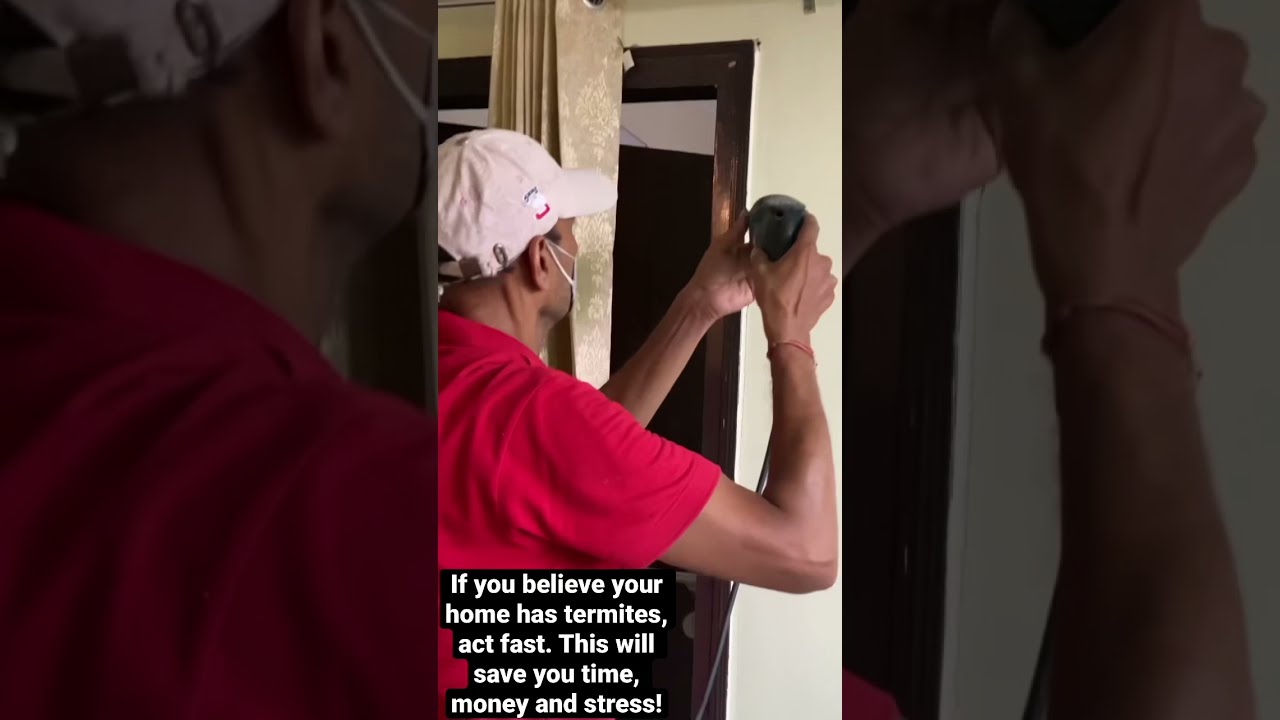
If you suspect bed bugs, act quickly. The longer you wait, the more time bed bugs have to spread into new harborages and rooms. Waiting also increases household stress, because the uncertainty continues.
That said, if you are not sure and only have a few bites with no physical evidence, a careful inspection is still the best next step. Self-diagnosis can waste time and lead to unnecessary cleaning measures that do not address the actual issue. A professional inspection reduces guesswork and lets you move with confidence.
If you have recently stayed somewhere with suspected bed bugs, brought in second-hand furniture, or had guests staying in bedrooms, treat that history as important information. It helps the technician focus the inspection where it matters most.
Final thoughts for families facing bed bugs around the Bay of Plenty
Bed bugs are hard because they force you to deal with both biology and routine. The biological side is the life cycle and hiding behavior, the routine side is the laundry, the sleeping arrangements, and the emotional fatigue that comes from constantly checking for signs.
A good in-home bed bug treatment plan helps families get their footing again. It starts with a thorough inspection, focuses on the places bed bugs actually hide, and includes follow-up visits that respect how eggs and hatchlings behave. It also includes clear, realistic prep guidance so the household can cooperate without turning life upside down.
If you are searching for pest control Tauranga, pest control Mount Maunganui, pest control Papamoa, pest control Te Puke, pest control Matamata, or pest control services Bay of Plenty, look for a provider who treats the job like a household partnership. You should feel informed, not pushed, and you should leave the process with a plan you can follow.
That is what makes the pest control Papamoa difference between an endless cycle of worry and a real, measurable return to calm.
https://www.facebook.com/VenturaPestManagement